

Each household features its individual charm, yet hidden beneath the surface can often be a hidden danger: dirt and pollutants. Although carpets|floor coverings provide comfort and ease to living spaces, they can additionally function as a attractor for a variety of harmful substances that may adversely affect the health of your family. With time, carpets may gather dust, pet dander, pollen, and various allergens, leading to lung troubles, allergies, and asthma flare-ups.
Many people underestimate the important role that regular carpet cleaning has in ensuring a clean indoor environment. By neglecting the upkeep of your carpets, you could be unknowingly exposing your family to a greater likelihood of health issues. In the following text, we will examine the link between carpet cleanliness and overall well-being, highlighting the importance of keeping your floors allergen-free for the sake of your loved ones.
Comprehending Dirt and Allergens in Rugs
Rugs are frequently a concealed source of dust and irritants in our houses. Every day, small particles such as mites, animal hair, plant particles, and mold spores settle into the fibers of the carpet. These substances can build up over time, creating an setting where allergens thrive. Although we may not see them, their presence can have a lasting impact on the ambient air in our living spaces.
When particles and allergens are stirred up, they can enter the air and lead to respiratory problems for family members, particularly for those with pre-existing conditions such as sensitivity and asthma. Inhalation of these substances can trigger respiratory distress, worsening symptoms like coughing, sneezing, and shortness of breath. This highlights the importance of regular carpet cleaning to mitigate the likelihood of these medical problems.
Moreover, rugs can act as reservoirs for allergens, retaining them until they are moved. Poor indoor air quality can lead to increased discomfort and health hazards for your family. By understanding the varieties of irritants found in carpets and how they get on with well-being, homeowners can take preventative steps to uphold a tidy and healthy environment. Routine cleaning can greatly reduce these concealed threats, improving overall air quality and health.
How Carpets Influence Respiratory Health
Rugs may considerably affect lung health, particularly for people susceptible to allergies and respiratory issues. When dust particles and allergens collect in carpets, they become trapped particles, which makes it simple for these irritants to flow in the air when agitated. This can result in an rise in respiratory problems as the body responds to these airborne particles. For households, particularly those with young children or elderly members, the existence of these allergens can present serious health hazards.
The types of irritants usually found in carpets include dust mites, pet dander, pollen, and fungal spores. Each of these can cause allergy reactions or exacerbate existing respiratory issues, causing symptoms such as sneezing, a cough, and wheezing. If carpets are not consistently cleaned, these irritants build up, creating a constantly hazardous environment. Regular vacuuming and expert cleaning can help reduce these particles and enhance indoor air quality.
Furthermore, studies has shown that maintaining tidy rugs can result in fewer instances of respiratory distress. Households who invest in regular carpet cleaning have reported a reduction in allergy flare-ups and asthma attacks. A clean carpet provides a more wholesome home environment, providing relief for those prone to dust-related ailments and ensuring a safer space for all family members.
A Connection Among Allergic Reactions and Asthma
Allergic conditions and asthmatic issues are strongly linked, with many people facing these issues at the same time. Triggers such as dust mites, pet dander, as well as pollen is able to trigger allergic reactions, leading to swelling and discomfort in the respiratory tract. Such swelling may exacerbate asthma issues, making it crucial to understand the way such triggers influence lung health.
When such triggers exist in high concentrations, these can result in increased airway hyper-responsiveness. This implies that the respiratory tracts turn overly responsive to various triggers, which may cause asthma attacks. People who have a background of allergies tend to be more prone to contracting asthmatic disorders, particularly if they are frequently faced to typical triggers present in floor coverings, including debris and mold.
Keeping a tidy home is vital for individuals predisposed to allergies as well as asthma. Consistent carpet cleaning helps to remove dust, triggers, along with other irritants, offering comfort as well as minimizing the occurrence of asthma symptoms. By effectively managing triggers within the household, families are able to improve their lung function as well as boost their overall health.
Efficient Carpet Maintenance Methods
Routine vacuuming is crucial in controlling dirt and irritants in rugs. Use a hoover equipped with a HEPA filter to efficiently trap tiny particles that can lead to breathing problems. Aim to vacuum busy areas at least twice a week, and seldom used areas once a week. Don't forget to clean under couches and in corners where dirt tends to collect.
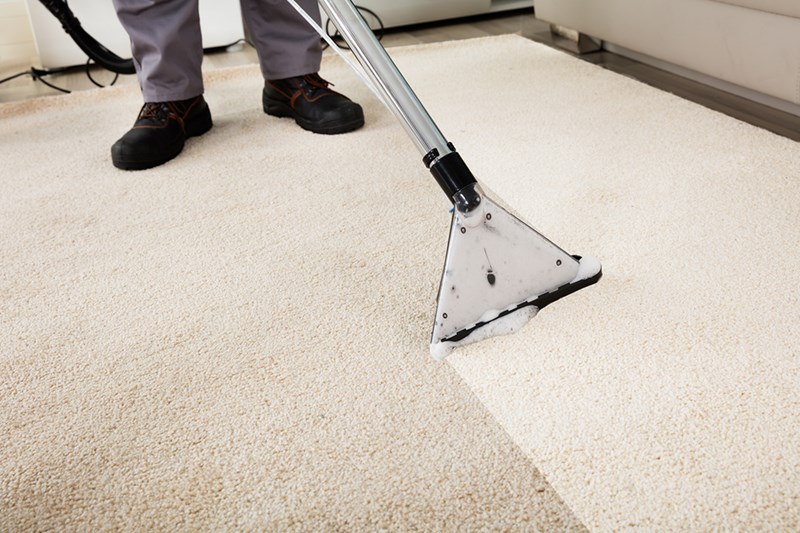
In conjunction to vacuuming, deep cleaning carpets is crucial for preserving a clean indoor environment. Hot water extraction is an efficient method that uses heated water and cleaning solution to infiltrate carpet fibers, eliminating deeply entrenched grime, dirt, and allergens. For optimal results, think about scheduling a professional deep clean once a year, or invest in a rental steam cleaner for domestic use.
Spot cleaning is another vital technique for treating spots and preventing fungus growth. Rapidly treating accidents with suitable solutions can help to limit the amount of allergens in your rug. Use a towel to blot the spot rather than rubbing, which can damage fibers. Consistently checking and maintaining rugs ensures a decrease in allergens, ultimately improving your household's respiratory health.
Maintaining a Balanced Inside Environment
Forming a nurturing internal environment is essential for the safety of your household. Dust and irritants can accumulate in rug and additional locations of the house, causing breathing issues, especially for individuals with sensitive reactions and asthma. Consistent cleaning of carpets is a key step in reducing these hazards. Using a vacuum alone is commonly inadequate, as many allergens can settle far within carpet fibers, rendering professional services essential to get rid of them completely.
Alongside carpet cleaning, maintaining proper moisture levels in your residence can greatly affect the quality of the indoor air. Elevated moisture fosters the proliferation of mold and mites, both of which are common causes for allergies and asthma. Using dehumidifiers and providing good airflow can assist maintain humidity in balance, establishing a less welcoming condition for these irritants. This proactive strategy can result in a significant boost in lung health for all family members.
In conclusion, incorporating regular cleaning practices such as dusting flat surfaces and cleaning linens in high-temperature water will enhance your carpet cleaning efforts. Consider implementing a no-shoe rule in your home to stop tracking in dirt and allergens. By tackling these issues together, you can create a more beneficial inside atmosphere that fosters the well-being of your household while minimizing the risk of breathing problems associated with sensitive reactions and breathing difficulties.